Blog

IIAS Ireland
01 Jul, 2023
Re-Imagining Higher Education through Equity, Inclusion, and Sustainability – RISE 2022

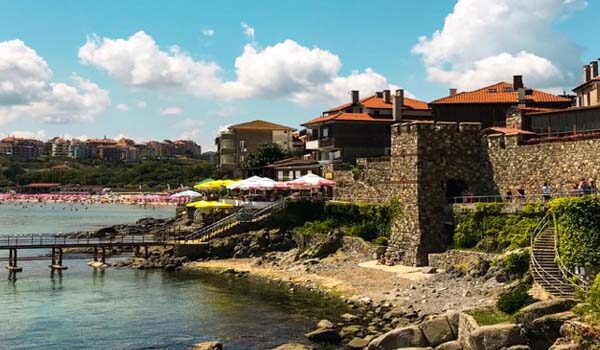
Higher education today is going through a period of transformative change. To explore the challenges of our times, EUt+ partner, Technical University of Sofia, is hosting Re-Imagining Higher Education through Equity, Inclusion, and Sustainability from 1-3 Sep 2022. RISE 2022 is the second EUt+ international conference on equality and inclusion in higher education and will take place on TU Sofia’s Black Sea Campus in Sozopol (subject to the prevailing public health guidelines).

Call for Papers

The challenges of our times–equity, inclusion and sustainability–find expression in higher education institutions through student demands for inclusion, staff expectations of equity in the workplace and government expectations that higher education institutions will lead on the green agenda. It is timely, then, to reimagine the higher education model in the context of the global transformations being experienced in higher education institutions. These transformations are values-led, grounded in social and climate justice. This conference provides an opportunity for paper-givers and panellists to reflect on the contexts in which a positive reimagining of higher education occurs, the relevance of equity, inclusion and sustainability for this transformative change, and the opportunities and challenges for higher education institutions as they grow into the 21st century.

Topics

This call for papers invites scholars and practitioners to address the reimagining of higher education and consider it through one of the following themes:

  • Explore the impact of different cultural contexts that shape higher education transformation today and the creation of strategies, policies and plans for an equitable, inclusive and sustainable model of higher education.
  • Discuss the inclusive form leadership takes in the modern higher education landscape.
  • Address justice issues, their intersectionality with historical legacies of injustice, and institutional responses to them in higher education.
  • Consider the intersection of inclusion and the green/climate agenda, and how they can reinforce one another in the higher education context.
  • Assess the utility of EU diversity charters, and other European initiatives to foster inclusive societies.
  • Share innovative and inclusive teaching approaches and pedagogiesReimaginee higher education through ‘whole of education’ and ‘whole of society’ perspectives.
  • Evaluate the commitment in higher education to the 2030 Sustainable Goals agenda, concerning (among others)
  • Goal 3. Ensure healthy lives and promote well-being for all at all ages
  • Goal 4. Ensure inclusive and equitable quality education and promote lifelong learning opportunities for all
  • Goal 4. Ensure inclusive and equitable quality education and promote lifelong learning opportunities for all
  • Goal 8. Promote sustained, inclusive and sustainable economic growth, full and productive employment and decent work for all
  • Goal 10. Reduce inequality within and among countries
  • Goal 13. Climate action
  • Goal 16. Peace, justice and strong institutions

Journal article published with: https://www.tudublin.ie/explore/news/re-imagining-higher-education-throughequity-inclusion-and-sustainability—rise-2022.html
IIAS Ireland
01 Dec, 2022
Celebrating Ireland’s Shared History with South Africa

The Embassy of Ireland in South Africa together with the Freedom Park Museum announce the launch of the Irish Solidarity Exhibition to celebrate the shared historical relationship and solidarity between Ireland and South Africa.

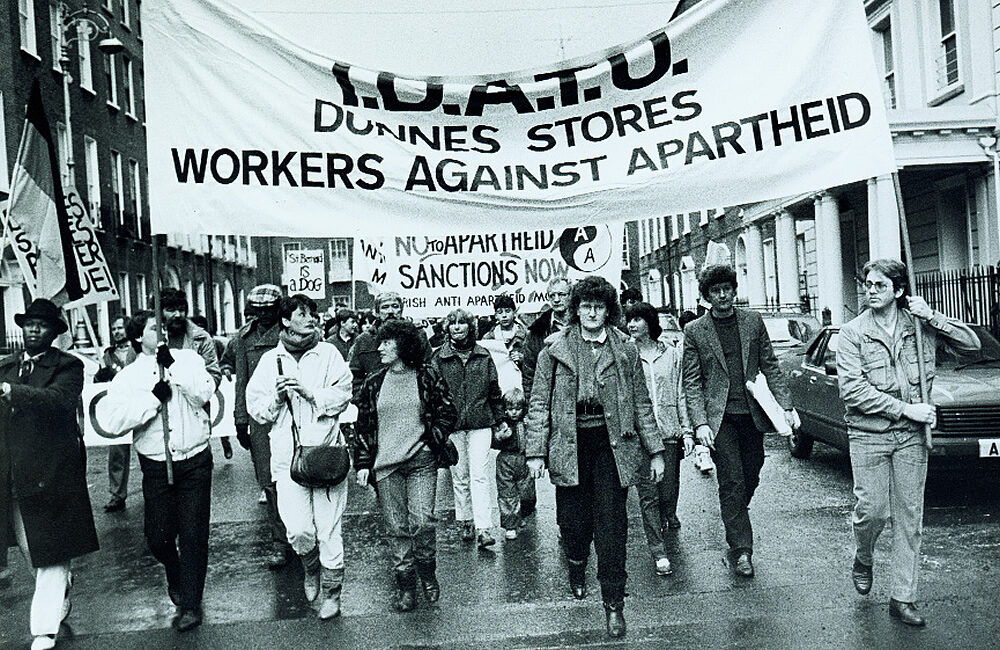
This exhibition traces the history of Irish solidarity with South Africa’s anti-apartheid struggle. It highlights the tireless efforts of the Irish Anti-Apartheid Movement (IAAM) from 1964 to 1994, from its beginnings in the home of Kader and Louise Asmal, to the pivotal Dunnes Stores Strike, and the sustained boycotts that sought to isolate the apartheid regime. Speaking about the exhibition, the Ambassador of Ireland to South Africa, Fionnuala Gilsenan said: “The Embassy of Ireland has created this exhibition celebrating the ordinary heroes of the Irish Anti-Apartheid Movement, whose many small feats added up to a striking historical contribution. The Irish Anti-Apartheid movement successfully organised academic, artistic and sporting boycotts throughout its thirty-year campaign. This vocal and visible Irish solidarity was felt by those struggling on the frontline here in South Africa, and laid the foundations for the warm and deep modern relationship between our two Republics.” South Africa and Ireland’s histories of political struggle are intertwined; South Africa played a role in Ireland’s formation as an independent state, and later supported the Northern Ireland peace process. This mutual solidarity is the foundation of the dynamic relationship that exists between South Africa and Ireland today.

This article is from the Department of Foreign Affairs, Ireland

“Ireland was a fertile ground for one of the most successful Anti-Apartheid Movements in Europe. I believe that the story of this solidarity movement can offer hope and inspiration to young peoplein both South Africa and Ireland, and should not be allowed to fade from our collective memory as time goes by,” Ambassador Gilsenan continued. The Exhibition features remarkable images from the archives of the prolific Irish photographer, Derek Speirs who documented the presence and work of activists in Ireland who campaigned against apartheid. The exhibition also includes first-person accounts of the IAAM’s activities through the stories of Mary Manning, one of ten Dunnes Stores workers who refused to handle South African produce leading to the Dunnes Stores Strike and Gearóid Kilgallen, Cofounder of the IAAM. The exhibition will be displayed at the Freedom Park Museum from October 5, 2022 until November 30, 2022. The public is invited to experience the Irish Solidarity Exhibition by visiting the Freedom Park Museum over the duration of its installation.

IIAS Ireland
29 Nov, 2022
The Republic of Korea to Donate First Batch of Mpox Vaccine to Africa

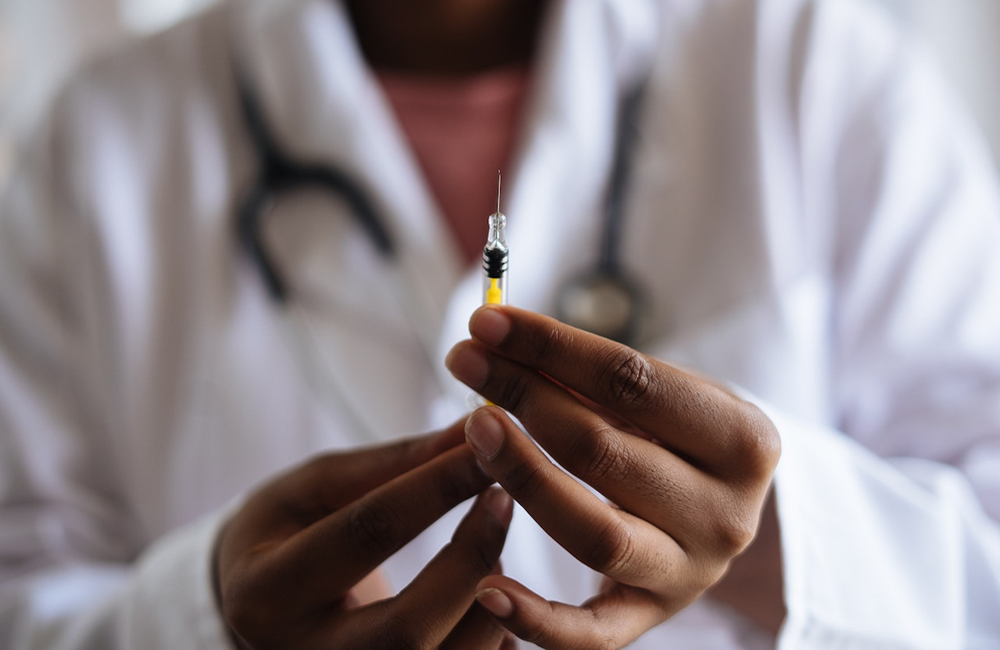
The government of the Republic of Korea, through Korea Disease Control and Prevention Agency (KDCA), will donate the first batch of the Mpox vaccine to Africa through the Africa Centres for Disease Control and Prevention (Africa CDC). The donation was announced during a bilateral meeting between the Acting Director General of Africa CDC, Dr Ahmed Ogwell Ouma, and KDCA Commissioner PECK Kyong Ran on the margins of the 7th Global Health Security Agenda Ministerial Meeting held in the Republic of Korea in Seoul from 28-30 November 2022.

Mpox has been endemic for decades in some African countries. The World Health Organization (WHO) declared the global Mpox outbreak a public health emergency of international concern (PHEIC) in July 2022. While the decision sparked a more coordinated international response, Africa has yet to receive vaccines to stem the spread of the disease, which remains a serious public health threat. African countries remain in the same situation as during the COVID-19 vaccine deployment. Wealthier nations where Mpox has recently been identified have bought the available vaccines leaving African countries again at the back of the queue for vaccines, tests, and treatment. During the announcement, the Acting Director of Africa CDC noted, “I welcome the collaboration between the Republic of Korea and Africa CDC which has resulted in this donation. We appreciate this gesture and assure that these Mpox vaccines will be prioritised in the most affected African Union Member States”. The donation by KDCA is a culmination of the collaboration and cooperative agreement signed in April 2022 through a Memorandum of Understanding (MoU) between Africa CDC and KDCA. The MoU established a joint action plan where the two organizations agreed to facilitate cooperation and collaboration and to establish arrangements in public health activities necessary to ensure effective cooperation between the parties in areas of mutual interest. The MoU further aims to expand and deepen technical collaboration to support global health security and strengthen disease prevention and control in Africa.

IIAS Ireland
16 Nov, 2022
African baby food makers have an edge over foreign producers, says entrepreneur

Demand is growing for locally produced baby foods with African ingredients and recipes. The absence of infant cereals in Cameroon prompted Pascaline Nenda to create her own baby food company, called Lemana, in 2013, based on local flavours and ingredients.

She says African baby food makers have an edge over foreign producers because they understand local eating habits and are less expensive than imported baby foods. “We have an advantage that products imported from other continents do not have,” Nenda says. “We already have gold in our hands. On the African continent, we have diversified gluten-free digestive flours. I also wanted to reduce reliance on imports of instant cereals. These imported products are very expensive when we consider the purchasing power of rural and vulnerable populations in Cameroon.”

This article is an excerpt from the Made by Africa: Creating value through integration reportby the International Trade Centre (ITC).

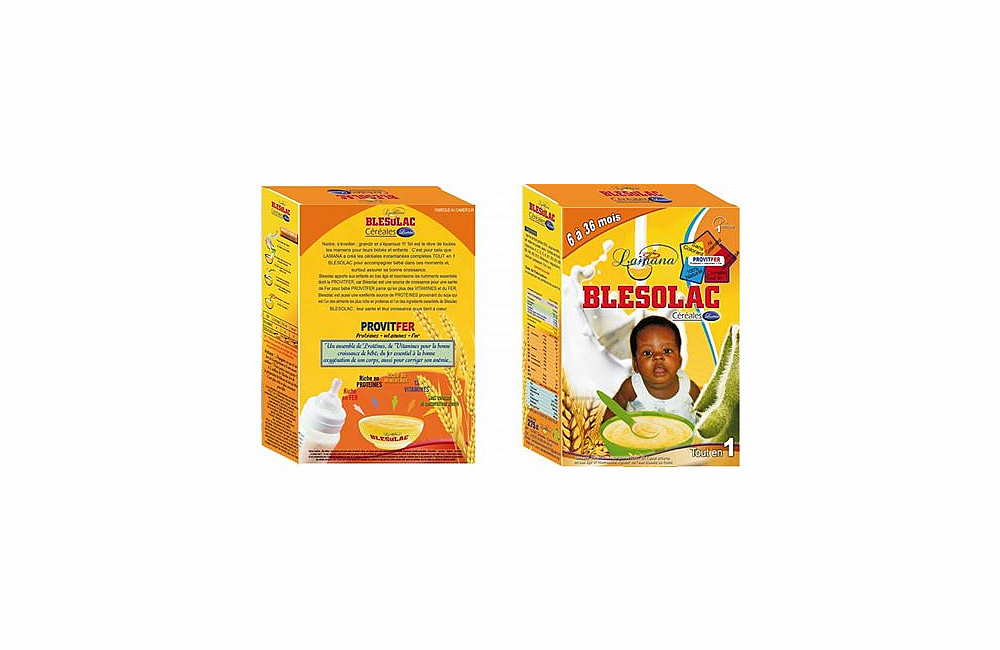
Her company’s Blesolac instant cereals use a mix of soya-based raw materials made in Cameroon. The entire manufacturing process happens domestically. While the cereals also contain imported wheat and powder milk, Nenda is trying to forge commercial ties with African milk exporters. She is also gradually increasing the share of inputs supplied by Cameroonian or African partners, which could reduce costs for consumers. Her company’s Blesolac instant cereals use a mix of soya-based raw materials made in Cameroon. The entire manufacturing process happens domestically. While the cereals also contain imported wheat and powder milk, Nenda is trying to forge commercial ties with African milk exporters. She is also gradually increasing the share of inputs supplied by Cameroonian or African partners, which could reduce costs for consumers. “Demand for such products is growing,” Nenda says. “Many consumers in African countries understand that consuming locally is very important. It creates jobs while keeping the added value local.” The value of African ingredients and recipes Nenda attended food-processing classes to improve the quality of her cereals. The training also sparked new ideas, such as replacing cow milk with soy milk and developing innovative production methods to use sugar from dates grown in north Cameroon. She recently launched a fruit puree line using locally produced mangoes, papaya and bananas. She has faced her share of obstacles – especially in terms of accessing credit. “In Cameroon, the small entrepreneur fights alone. My company needs more sophisticated machinery to respond to market demands and face competition from imported labels. We must encourage banks to finance companies with potential in the sector.” The African Continental Free Trade Area creates opportunities for business owners across the continent, says Nenda, who expects her own company to benefit from the boost in trade and removal of barriers that the trade agreement promises. “We must make free trade between countries completely available and easy,” she says. “For example, my product, which sells for 1,000 FCFA ($1.50) in Cameroon, is sold at a higher price in Congo because of tariffs and the cost of transport, which ultimately increases the final selling price.” The popularity of the company’s line of Blesolac cereals among African consumers feeds Nenda’s enthusiasm to invest in ‘made in Africa’ food processing. She believes there is room for a change in the markets’ mindset. “We have the opportunity not only to vary our children’s diet, but also to promote a new education in terms of infant food.”